
About Us
Panchkula History
Panchkula is a well-planned city in the state of Haryana and was officially established as a district on 15 August 1995. It is a satellite city of Chandigarh and, along with Mohali, forms part of the Chandigarh Tricity. The prestigious Chandimandir Cantonment, headquarters of the Indian Army’s Western Command, is located here. The district includes towns such as Panchkula, Barwala, Pinjore, Kalka, and Raipur Rani, and is home to Haryana’s only hill station, Morni. According to the 2011 Census, the district had a population of 561,293.
The name Panchkula is derived from “Panch” (five) and “Kul” (canals), meaning “city of five canals.” These canals historically distributed water from the Ghaggar River from Nada Sahib towards Mata Mansa Devi. Many of the canals pass through Chandimandir Cantonment and are maintained as community property by local villagers. Built by earlier rulers, they follow natural contours to carry water to higher levels, reflecting advanced traditional irrigation practices.
Historically, the region has ancient roots dating back to the Lower Palaeolithic Age, with stone tools discovered in areas like Mansa Devi, Pinjore, and Suketri. The area is associated with the Pandavas and was once known as Panchpura, later Pinjore. Over centuries, it came under the rule of the Kushans, Guptas, Chauhans, Delhi Sultanate, Mughals, Marathas, and eventually the British. Notably, Fidai Khan built the famous Pinjore Gardens during Aurangzeb’s reign.
After India’s independence and the reorganization of states in 1966, the area became part of Haryana. Administrative changes led to the formation of Kalka tehsil in 1967 and Panchkula tehsil in 1989. Finally, Panchkula was declared a full-fledged district on 15 August 1995. Today, the district comprises three tehsils—Kalka, Panchkula, and Raipur Rani—and continues to grow as an important urban and administrative center in the region.
Historical Panchkula
Morni Hills
Morni Hills is a scenic hill station located near Panchkula, known for its lush greenery, serene lakes, and panoramic views of the Shivalik range. It is a popular getaway for nature lovers, trekkers, and adventure enthusiasts seeking peace and fresh mountain air. The area offers activities such as trekking, boating at Tikkar Taal, and bird watching. With its tranquil environment and natural beauty, Morni Hills is an ideal destination for short trips and weekend retreats.
Shri Mata Mansa Devi Mandir
Shri Mata Mansa Devi Mandir is a prominent Hindu temple dedicated to Goddess Mansa Devi, regarded as a form of Shakti. Located in Panchkula, the temple is an important pilgrimage site that attracts thousands of devotees, especially during Navratri.Known for its serene spiritual atmosphere and traditional North Indian temple architecture, the shrine is visited by devotees seeking blessings, fulfillment of wishes, and divine grace. The temple complex is well-maintained and serves as a major religious and cultural landmark in the region.
Culture & Lifestyle
Panchkula is a modern and well-planned city that offers a high quality of life while preserving the cultural traditions of Haryana and North India. Festivals such as Diwali, Holi, Dussehra, and Lohri are celebrated with enthusiasm, bringing communities together and creating a vibrant social atmosphere throughout the year.
The city’s lifestyle is characterized by excellent infrastructure, clean surroundings, and a strong focus on health, education, and recreation. Residents enjoy access to shopping centers, parks, sports facilities, educational institutions, and entertainment hubs, making Panchkula one of the most desirable residential destinations in the region.
Surrounded by the scenic Shivalik Hills and blessed with abundant green spaces, Panchkula offers a perfect balance between urban convenience and natural beauty. Its peaceful environment, modern amenities, and active community life make it an attractive place for families, professionals, and retirees alike.
Connectivity & Growth
Panchkula enjoys excellent connectivity through an extensive network of roads and highways, including National Highway 5, which links the city with Chandigarh, Mohali, Delhi, and other major destinations in North India. Its proximity to Chandigarh International Airport and the Chandigarh Railway Station further enhances accessibility for residents, businesses, and visitors.
As a key part of the Chandigarh Tricity region, Panchkula has experienced significant urban and economic growth over the years. The city has witnessed rapid development in residential townships, commercial complexes, healthcare facilities, and educational institutions, attracting investment and creating new opportunities for businesses and professionals.
With ongoing infrastructure projects, smart city initiatives, and expanding commercial activity, Panchkula continues to strengthen its position as one of Haryana’s fastest-growing urban centers. Its strategic location, modern infrastructure, and high standard of living make it a preferred destination for both residents and investors.
Glance of Panchkula

Population
5.6+ lakh

Language
Hindi, Punjabi, English

Most Attractions
Mata Mansa Devi Temple, Pinjore Gardens, Morni Hills

Major Industries
IT & Manufacturing Units, Pharmaceuticals,
Gallary Gimpses
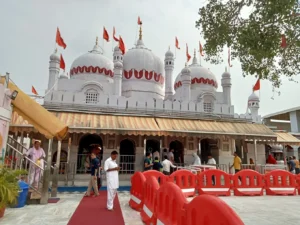
Shri Mata Mansa Devi Mandir
Shri Mata Mansa Devi Mandir is a famous Hindu temple in Panchkula dedicated to Goddess Mansa Devi.
It is a major pilgrimage site where devotees seek blessings and peace.
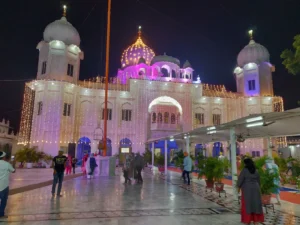
Gurudwara Sri Nada Sahib
Gurudwara Sri Nada Sahib is a sacred Sikh shrine in Panchkula known for its peaceful atmosphere and spiritual significance.
It welcomes devotees for prayer, kirtan, and langar, reflecting the values of service and equality.
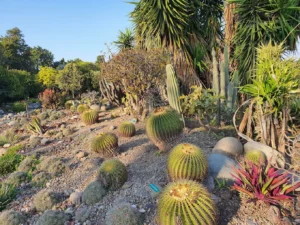
Cactus Garden
Cactus Garden in Panchkula is a unique botanical garden showcasing a wide variety of cactus and succulent species.
It is a popular attraction for nature lovers and visitors seeking a peaceful environment.
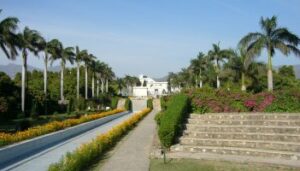
Yadavindra Garden
Yadavindra Gardens, also known as Pinjore Garden, is a historic Mughal-style garden in Pinjore.
Known for its terraced layout, fountains, and greenery, it is a popular tourist attraction near Panchkula.
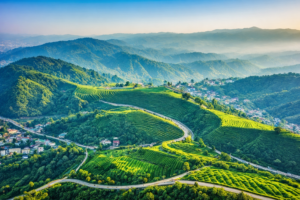
Morni Hills
Morni Hills is a scenic hill station near Panchkula known for its lush greenery and peaceful surroundings.
It is a popular spot for trekking, boating, and weekend getaways.
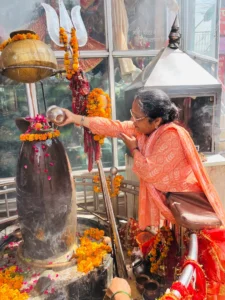
Kali Mata Mandir
Kali Mata Mandir in Kalka is a revered Hindu temple dedicated to Goddess Kali.
It is a popular spiritual destination where devotees seek blessings and divine protection.
FAQ's
Where is Panchkula located?
Panchkula is located in the state of Haryana, adjoining Chandigarh and Mohali. Together, these three cities form the Chandigarh Tricity.
When was Panchkula established as a district?
Panchkula became a full-fledged district on 15 August 1995.
What is the population of Panchkula?
As per the 2011 Census, Panchkula district has a population of approximately 5.6 lakh people.
What languages are spoken in Panchkula?
The main languages spoken are Hindi, Punjabi, and English.
What are the major tourist attractions in Panchkula?
Some popular attractions include:
Mata Mansa Devi Temple
Pinjore Gardens
Morni Hills