Panchkula

Temples

Temples

Festive Spirit and Community Events at ISKCON Temple in Panchkula

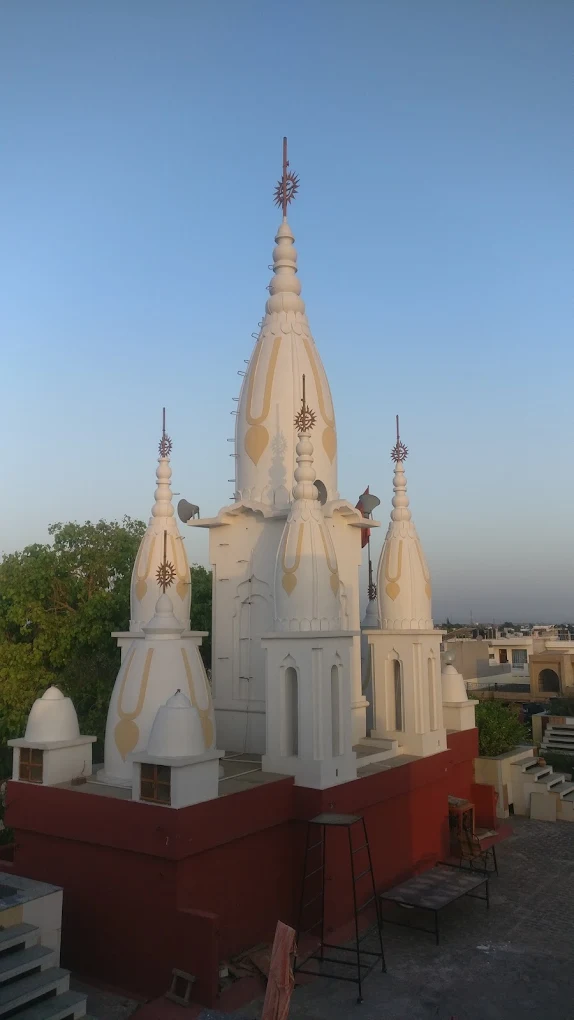
Panchkula, Haryana: The ISKCON Temple in Panchkula continues to be a vibrant centre of spiritual activity, cultural celebration and community engagement in the city, drawing devotees from across the Tricity and beyond for religious festivals, devotional programmes, and family-oriented events. Situated in the heart of Panchkula, the temple — part of the global International Society for Krishna Consciousness (ISKCON) movement — has become a popular venue for celebrations rooted in Vaishnavite tradition, especially during major festivals like Janmashtami, which marks the birth of Lord Krishna. Grand Janmashtami Celebrations and Devotional Festivities This past year, the Panchkula ISKCON Temple was beautifully decorated with five quintals of fresh flowers and colourful lights, creating a festive atmosphere that captivated thousands of devotees on Janmashtami. The elaborate floral décor and devotional ambience was complemented by continuous bhajans, kirtans and special aartis that lasted throughout the day. Devotees participated in early-morning mangal aarti, followed by ceremonial offerings and evening programs that included dance, music and community feasts. Such events are cherished by families and spiritual seekers alike and reinforce the temple’s role as a hub for both worship and cultural celebration. Community Programmes and Youth Engagement Beyond festival days, the ISKCON Temple in Panchkula regularly organizes community activities that promote spiritual learning and cultural values. For instance, past events included the grand culmination of summer camps, featuring kirtan, shloka recitation and stage performances by children, which highlighted teachings from the Bhagavad Gita and reflected on contemporary issues through traditional narratives. Such programmes aim not only to deepen devotional understanding among youth but also to strengthen community bonds and offer meaningful engagement for families throughout the year. A Place for Devotion and Harmony With a friendly and welcoming atmosphere, the ISKCON Temple has established itself as a significant landmark in Panchkula’s spiritual landscape. Devotees and visitors appreciate the daily darshan, devotional chanting sessions and the opportunity to partake in communal worship that echoes the universal message of peace and love embodied in Lord Krishna’s teachings. As the community looks forward to upcoming festivals and spiritual programmes, the ISKCON Temple remains a place where faith, culture and collective celebration continue to flourish in Panchkula.

Temples

Yagya Shala at Mata Mansa Devi Temple Becomes Focus of Devotion and Ritual Activities in Panchkula

Panchkula, Haryana: The sacred Yagya Shala within the sprawling Mata Mansa Devi Temple complex in Panchkula has once again become a centre of spiritual activity and devotion, drawing devotees seeking blessings and participating in traditional rituals. The Yagya Shala – a designated area inside the temple grounds where fire rituals (yagyas) and havan ceremonies are performed – is witnessing heightened activity as pilgrims offer prayers for health, prosperity and peace. These ancient Vedic rituals are considered powerful means of spiritual purification and are an integral part of worship practices at one of North India’s most prominent Hindu shrines. Temple officials say that during auspicious times — especially ahead of major festivals such as Navratri and on Fridays, which are considered sacred for goddess worship — the Yagya Shala sees heavy participation from families, groups and individual devotees who seek the goddess’s blessings through havan. “The ritual fire ceremony is an age-old tradition symbolising the offering of prayers and intentions to the divine,” explained a temple trustee. “Devotees come here not only for darshan but also to take part in yajna and havan as part of their spiritual journey.” According to the District Administration Panchkula, the Mata Mansa Devi Temple — spread across nearly 100 acres in the Shivalik foothills — is among the region’s most visited Shakti temples, with millions of pilgrims visiting twice a year during the Navratri melas and numerous others throughout the year. Devotees continue to throng the complex daily, participating in rituals including yagyas, aartis and wish-fulfilment practices such as tying sacred threads at designated trees. Local residents have welcomed the renewed focus on traditional rituals, saying that the Yagya Shala reinforces the spiritual essence of the temple and offers a serene space for reflection away from the large crowds at the main shrine. As pilgrimage numbers grow, temple authorities continue to ensure that religious traditions like the Yagya Shala rituals remain accessible to devotees while maintaining safety and convenience for all visitors.

Temples

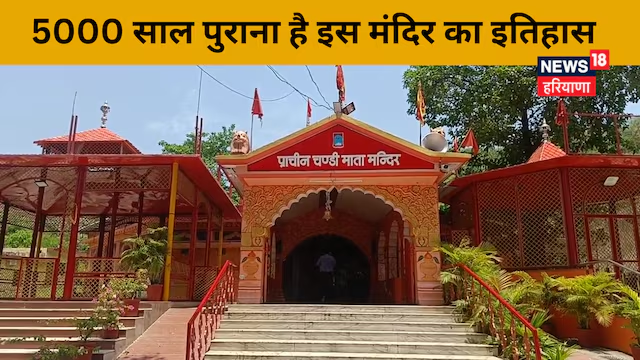
5000-Year Legacy of Chandi Mata Temple: Panchkula’s Ancient Spiritual Landmark

Panchkula, Haryana: The revered Chandi Mata Temple — nestled along the Chandigarh–Kalka Highway in Panchkula district — stands as one of the region’s most ancient and spiritually significant shrines, with local lore tracing its origins back nearly 5,000 years. The temple, dedicated to Goddess Chandi, an incarnation of Goddess Durga, is more than just a place of worship — it is deeply woven into the cultural and mythological fabric of the area. According to traditional beliefs, this sacred site was established in ancient times when a dedicated sadhu (ascetic) performed intense penance in the Shivalik foothills, and through divine grace discovered the idol of Mata Chandi, leading to the shrine’s founding. Mythology and Mahabharata Connection Local legends connect the temple to the epic Mahabharata. It is believed that during their 12-year exile, the Pandavas visited this region, with Arjuna performing austerities at the site to gain the goddess’s blessings. Pleased by his devotion, Mata Chandi is said to have bestowed upon him a divine sword and assurance of victory, enabling success in the great battle of Kurukshetra. Chandigarh — The City Named After a Goddess The significance of the temple extends beyond spirituality into the very identity of the neighbouring city of Chandigarh. Historical accounts and local tradition hold that Chandigarh — literally meaning “the fort of Chandi” — was named in honour of Chandi Mata Temple, a testament to the enduring legacy of the shrine in regional consciousness. Today, the temple is managed by the Shri Mata Mansa Devi Shrine Board and attracts thousands of devotees, especially during the Navratri festival, when special prayers and rituals invoke the goddess’s blessings. As a spiritual beacon in the Shivalik hills, the Chandi Mata Temple continues to be a hub of faith, culture and pilgrimage — blending centuries-old tradition with living devotion in Panchkula’s heartland.

Temples

Shri Mata Mansa Devi MandirNavratri spirit lights up Mata Mansa Devi Temple in PanchkulaShri Mata Mansa Devi Mandir

Panchkula, Haryana: The festive spirit of Navratri has brought a wave of colour and devotion to life at the iconic Mata Mansa Devi Temple in Panchkula, where thousands of devotees have been gathering since the start of the nine-day celebration. From the moment the festival began, the temple complex has been transformed into a spectacle of lights and vibrant decorations. Dazzling LED installations stretch from the Singh Dwar entrance all the way to the sanctum sanctorum, casting a warm, celebratory glow across the shrine grounds. Devotees have flocked in large numbers to pay their respects and seek blessings during this auspicious period. On the first day of Ashwin Navratri alone, nearly 40,000 visitors came to offer prayers, making it one of the busiest beginnings in recent years. Temple authorities and local administration have put in place extensive arrangements to ensure the smooth flow of the crowds. Security personnel are deployed across the complex, along with medical aid stations and crowd-management support to help devotees complete their darshan with comfort and ease. Donations from devotees reflect the spirit of giving that Navratri inspires. Across the region’s major shrines, including Mansa Devi Temple, significant contributions in cash and valuables have been received, illustrating the deep faith and communal participation that mark this festival. As Navratri continues, Panchkula’s sacred shrine remains a focal point of celebration, prayer and cultural unity, drawing families and pilgrims from near and far. Contributions and participation levels suggest this year’s celebrations will be remembered as particularly heartfelt and vibrant.

Listings
News
Home
Jobs
Contact